

In a rapidly evolving work landscape, the way we approach work has transformed significantly, driven in large part by the unprecedented challenges posed by the COVID-19 pandemic. Employers and employees alike have had to adapt to new ways of work, including in-person office work, remote work, and hybrid models that blend the two. Each of these work styles comes with its own set of advantages and disadvantages, and in this blog post, we’ll explore them in-depth.
In-person Work/Office work
This style of work means that the employees of the business work and operate within the same physical space, interact with one another in person and also where the employees commute from their home to work. Although many businesses had to resort to alternative ways of operating due to COVID-19, many businesses are reverting to this style of work and have placed more preventative measures in place so that the business can handle the various unexpected events that may occur.
Pros
- It improves the onboarding experience of the employees. It also may take less time for new employees to get settled in the business because they have more access to employees who have a lot of experience who can provide them with valuable information that will benefit the new employees and help them understand the business goals and objectives in a more effective way.
- Employees feel less isolated and are more likely to build lasting and positive relationships and connections amongst each other which could increase teamwork and cohesiveness in the business that also increase the business productivity and quality.
- It provides a regular and more reliable routine for employees to follow which could promote stability in the business’s daily operations.


Cons
- Business expenses increase. The business has to spend more money on providing employees with adequate and correct equipment in order to work in the office as well as accommodating space for all if not most of your employees to work in the office. This means that the business will spend more on maintaining its infrastructure and also the rent/property expenses that come as a result of expansion due to more employees being present in the office.
- Regular distractions to employees may occur due to varying factors such as the office being too noisy (not all instances) but it may be that employees working in close proximity towards each other could make some feel uncomfortable due to not having enough personal space. If the business does not plan on eliminating/reducing the number of distractions that employees face as well as creating a safe and healthy environment in the office it could decrease the productivity of the business.
Remote-Work
This style of work became increasingly more popular and essential for certain businesses because of COVID-19 had which forced businesses to adapt their business operations and strategy in order to survive.
Remote work is where employees do their jobs away from the offices in which the business is situated in and instead work from a different location. These locations could include working at home, in a café, library and many other different places where the employee may prefer and feel most comfortable and productive in.
Pros
- It decreases the business’s infrastructure costs. The business will have reduced office spaces because they have less employees to accommodate.
- Enables the business to increase its ability to hire and retain valuable employees and top talent. It can also diversify the workplaces which would benefit the business.
- It can increase employee productivity and job satisfaction. Remote work means that employees spend less of their time and resources in order to get to work especially if they live from where they work. Employees have more freedom in creating schedules that are tailored specifically to their individual needs which could lead to increased productivity and quality of work.

Cons
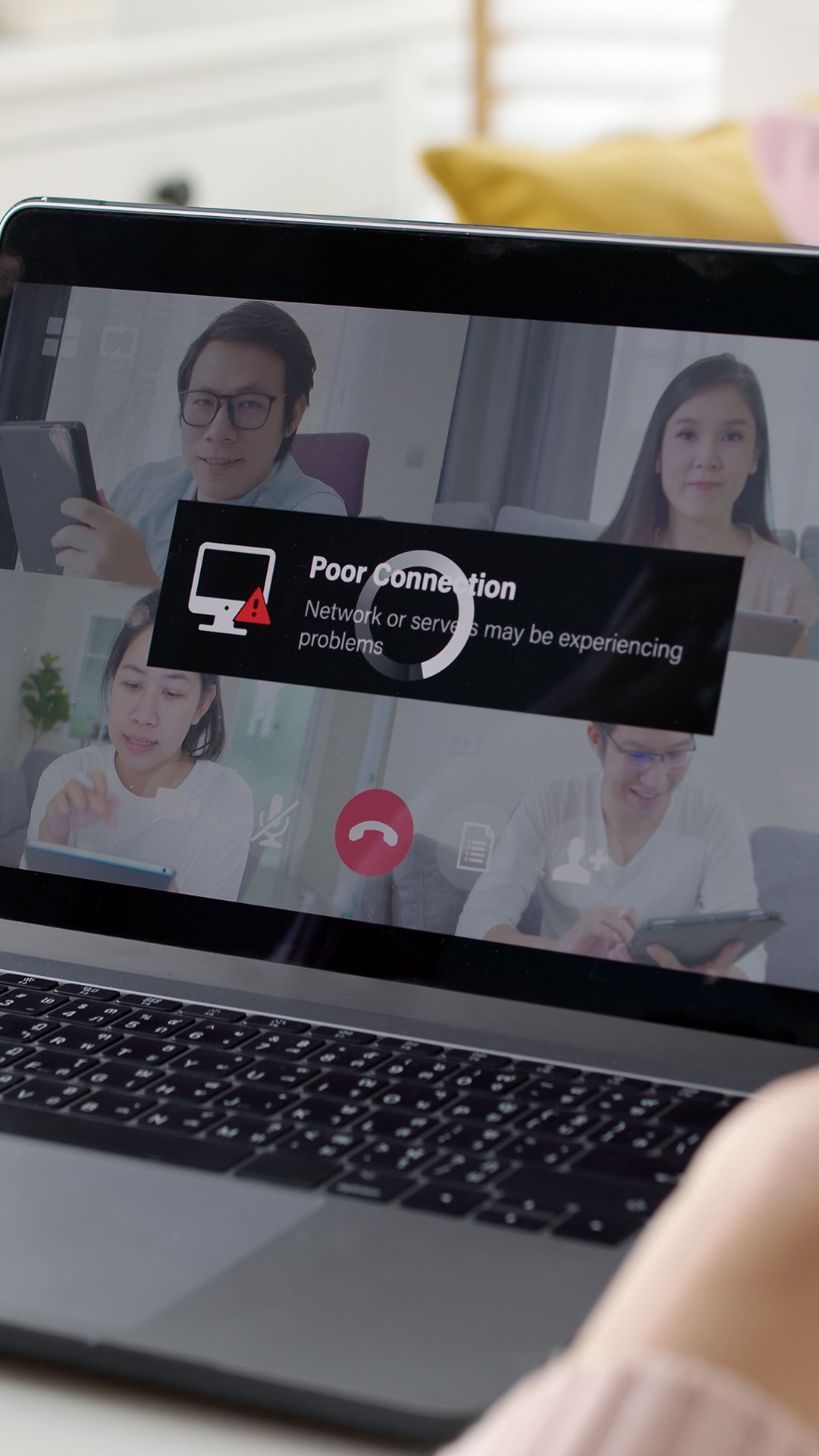
- Unreliable technology. Poor internet connections, incorrect tools and technological equipment can reduce productivity and quality of work in the business.
- New employees may find it more difficult to integrate into their designated teams and may work with less efficiency due to not having any physical contact/interactions with other employees or managers.
- Employees may feel more isolated and find it more difficult to separate work from their personal life.
Hybrid Working
Hybrid work is a flexible work model that enables the business to integrate both on-site working and remote working. This model not only aims to increase work productivity and employee satisfaction, but it also provides employees with flexibility as they are no longer restricted to only working within office buildings but rather where the employees feel they are most comfortable and productive. Here are just some different types of hybrid work models you may consider for your business;
-
Flexible Hybrid Work Model
This gives employees the liberty of choosing where they work and how many hours they work in a day. Here are some pros and cons to this work model.
Pros
- It decreases the business’s infrastructure costs. The business will have reduced office spaces because they have less employees to accommodate.
- Enables the business to increase its ability to hire and retain valuable employees and top talent. It can also diversify the workplaces which would benefit the business.
- It can increase employee productivity and job satisfaction. Remote work means that employees spend less of their time and resources in order to get to work especially if they live from where they work. Employees have more freedom in creating schedules that are tailored specifically to their individual needs which could lead to increased productivity and quality of work.
Cons
- Unreliable technology. Poor internet connections, incorrect tools and technological equipment can reduce productivity and quality of work in the business.
- New employees may find it more difficult to integrate into their designated teams and may work with less efficiency due to not having any physical contact/interactions with other employees or managers.
- Employees may feel more isolated and find it more difficult to separate work from their personal life.

-
Office-First Hybrid Work Model
This gives employees the liberty of choosing where they work and how many hours they work in a day. Here are some pros and cons to this work model.
Pros
- Lower operational costs mean that your business can save money on rental and ownership expenses by downsizing its office layout as well as decreasing the business’s utility bills.
- Attracts a larger pool of candidates which gives the business access to more talent that could lead to more innovative and creative ideas.
- Increased loyalty, trust and job satisfaction of the employees.
Cons
- Finding suitable hours for in-person teamwork can be quite challenging for employees.
- Increased coordination issues mean that more scheduling has to be done in order to find the right balance between in-person and remote work among the managers and employees.
Conclusion
In this era of work, where flexibility and adaptability have become imperative, the choices businesses make regarding in-person, remote, or hybrid work models can significantly impact their success and employee satisfaction. As we wrap up our exploration of these three distinct work styles, it’s clear that there is no one-size-fits-all solution. Instead, the right approach depends on various factors, including the nature of the work, the needs of the employees, and the overarching goals of the organization.
In-person work, with its potential for fostering strong relationships and maintaining a stable routine, remains a valuable option for many businesses. However, it comes with the challenge of increased expenses and the need to create a conducive work environment that minimizes distractions.
Remote work, while reducing infrastructure costs and offering employees greater flexibility, demands reliable technology and requires businesses to find ways to combat isolation and maintain team cohesion.
Hybrid work, as a flexible middle ground, aims to provide the best of both worlds. It allows employees to choose where and how they work, but it also introduces coordination challenges and requires careful planning to strike the right balance.
Ultimately, the future of work is likely to be a mix of these models. Businesses that can adapt and offer options to their employees while fostering a sense of community and purpose are well-positioned for success. By embracing technology, embracing change, and prioritizing employee well-being, organizations can navigate the evolving landscape of work with confidence.
As we move forward, the key is to remain agile, responsive to the needs of your workforce, and committed to creating an environment where employees can thrive, regardless of where they choose to work. The journey towards the ideal work model is ongoing, and it’s essential to be prepared for the ever-changing demands of the modern workplace.